The importance of hedgerows in combating desertification
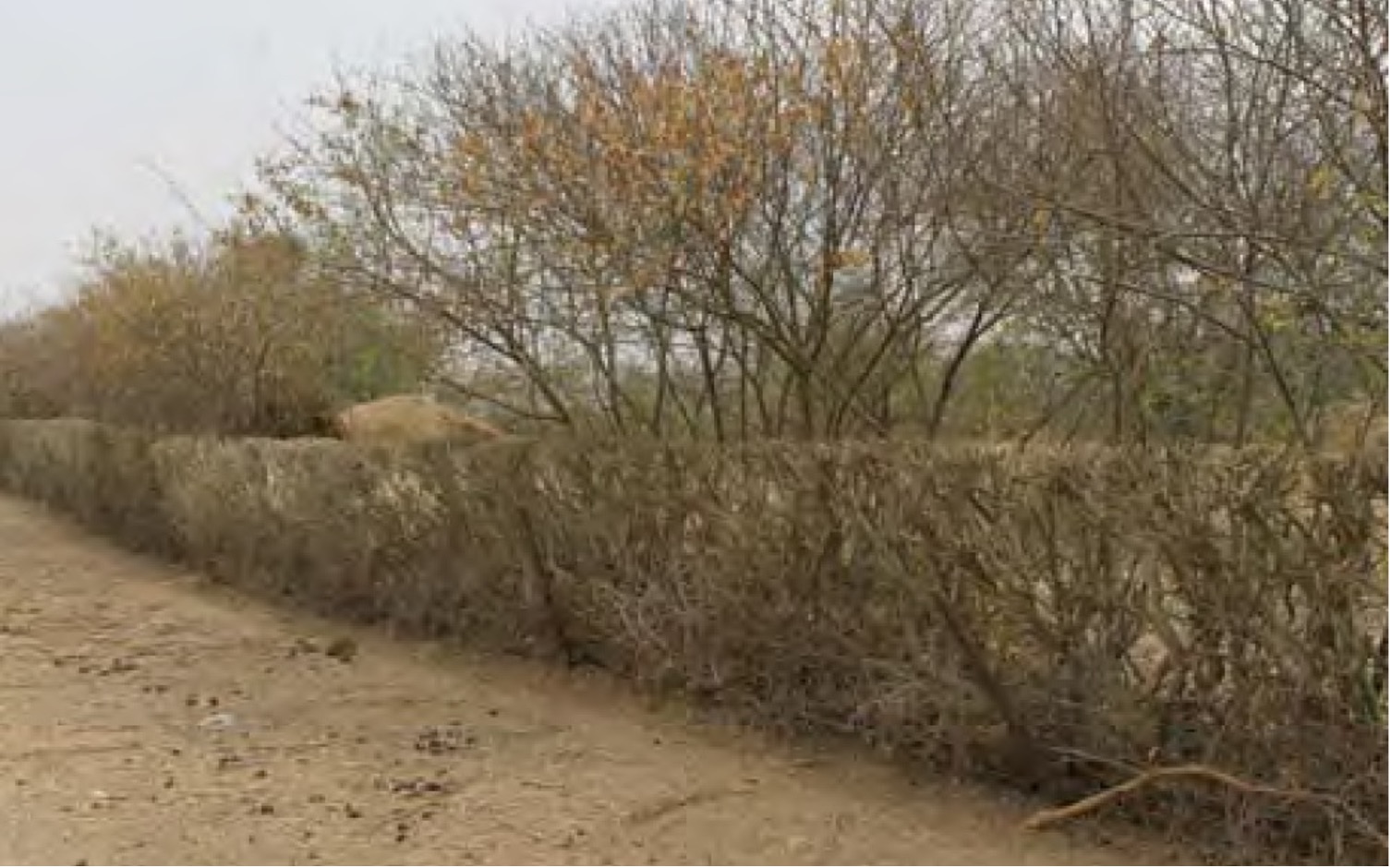
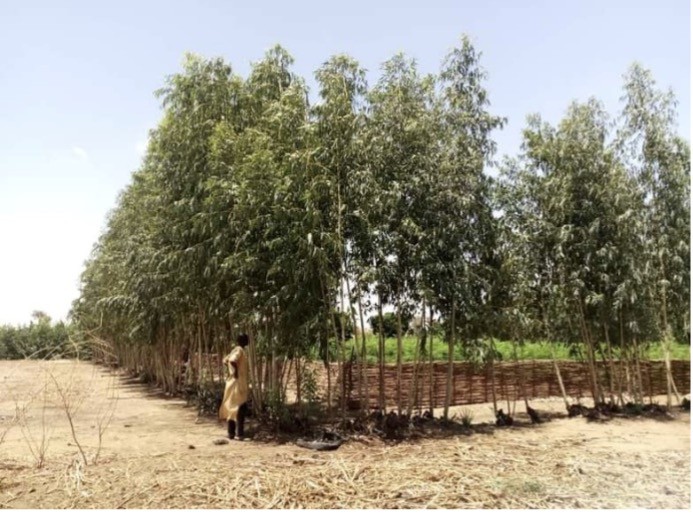
A hedgerow is a dense, continuous linear formation consisting of one or more rows of shrubs around a site to be protected from animals and other threats. It plays a vital role in the fight against desertification by protecting soils from wind and water erosion, improving soil fertility, and conserving moisture. They act as natural barriers that reduce land degradation, enhance biodiversity, and create favorable microclimates for crops and livestock. By stabilizing ecosystems and supporting sustainable land management, living hedges contribute significantly to the resilience of rural landscapes and communities facing climate change.
1. Objectives
The establishment of hedgerows aims to contribute sustainably to combat desertification in the Sahel region through the following objectives :
Protecting production areas (gardens, orchards, cultivated fields) from stray livestock and associated damage ;
Demarcating and securing agricultural land, plots, access corridors, and developed areas to reduce land pressure ;
Effectively combating wind and water erosion by reducing wind speed and water runoff;
Reducing deforestation and illegal logging through a renewable plant source ;
Preventing and mitigating land and agropastoral conflicts related to access to and use of land and natural resources;
Restoring degraded land and improving the resilience of agrosilvopastoral systems to the effects of climate change.
2. Context and Environmental Conditions
Hedgerows are a proven soil and water conservation technique, widely used in Sahelian agropastoral zones characterized by annual rainfall between 300 and 600 mm.
In these fragile environments, highly exposed to desertification, hedgerows help to slow desertification, stabilize soils, protect crops, and promote vegetation regeneration. They thus constitute a sustainable, low-cost solution adapted to local knowledge for integrated land management.
3. Implementation Steps
The establishment of hedgerows follows a gradual process adapted to the local agricultural calendar:
Production of seedlings in a nursery using species adapted to local climatic conditions;
Marking planting lines for optimal spatial organization;
Soil preparation and digging of planting holes (April–May) to anticipate the rainy season;
Transportation of seedlings to planting sites;
Plant or direct sowing at the beginning of the rainy season (June–July) to ensure better establishment and survival of the seedlings.
4. Technical Specifications for Planting
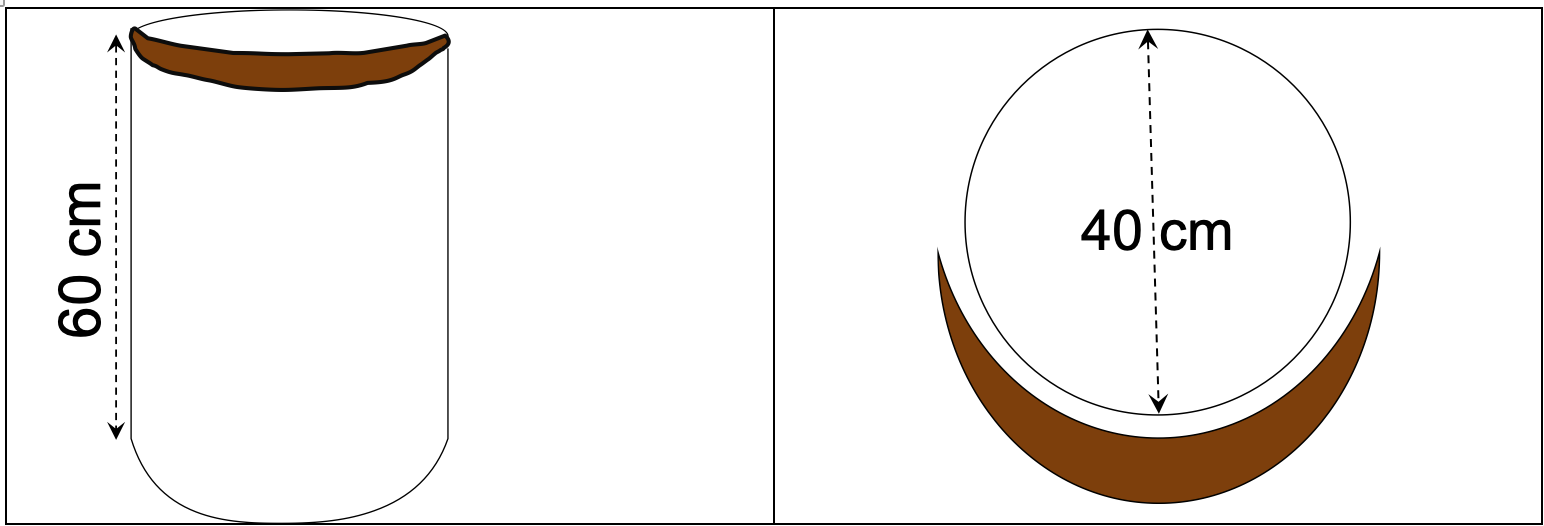
Planting Holes:
Diameter: 40 cm
Depth: 60 cm
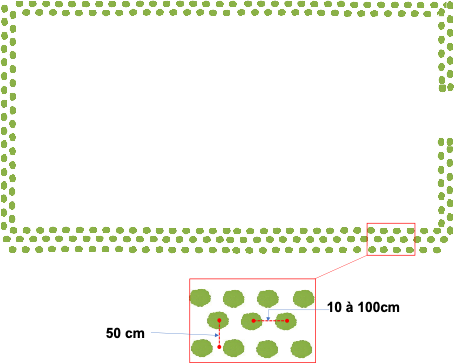
Spacing between plants: 30 to 100 cm depending on the species used ;
Spacing between rows: 50 cm ;
Arrangement: 1 to 3 rows of plants arranged in a staggered pattern to increase effectiveness against wind, erosion, and animal passage.
5. Characteristics of Forest Species Adapted to Combating Desertification
The species selected for hedgerows must meet the following criteria:
Ability to grow in rows and at high density;
Ability to regenerate vigorously after frequent cutting;
Ease of propagation and maintenance using techniques accessible to local producers;
No toxicity to surrounding crops;
High hardiness and rapid initial growth in arid conditions ;
Thorny and unpalatable to livestock;
Shrubby habit with dense branching providing good protection ;
Taproot system limiting water competition with crops.
6. Commonly Used Species
In the Sahelian context of combating desertification, the most commonly used species for hedgerows are :
Bauhinia rufescens, Acacia senegal, Acacia laeta, Acacia nilotica, Acacia ataxacantha, Ziziphus mauritiana, Combretum aculeatum, Mimosa pigra, Lawsonia inermis, Jatropha curcas, Euphorbia balsamifera, and Prosopis juliflora.